
Iran’s closure of the Strait of Hormuz could jumpstart cooperation between rivals halfway around the world to develop oil and gas in the South China Sea, experts told Radio Free Asia.
But any cooperation between China and the Philippines to explore undersea oil reserves in disputed waters would be in preparation for the next energy crisis, not a solution to the current one, the experts said.
Talks this week between the two sides have shown “positive progress,” Beijing’s embassy in Manila said in a statement Thursday, urging both sides to “set aside differences and pursue joint development.”
Philippine officials, meanwhile, confirmed that no joint activity has started, but could in the future should negotiations be successful.

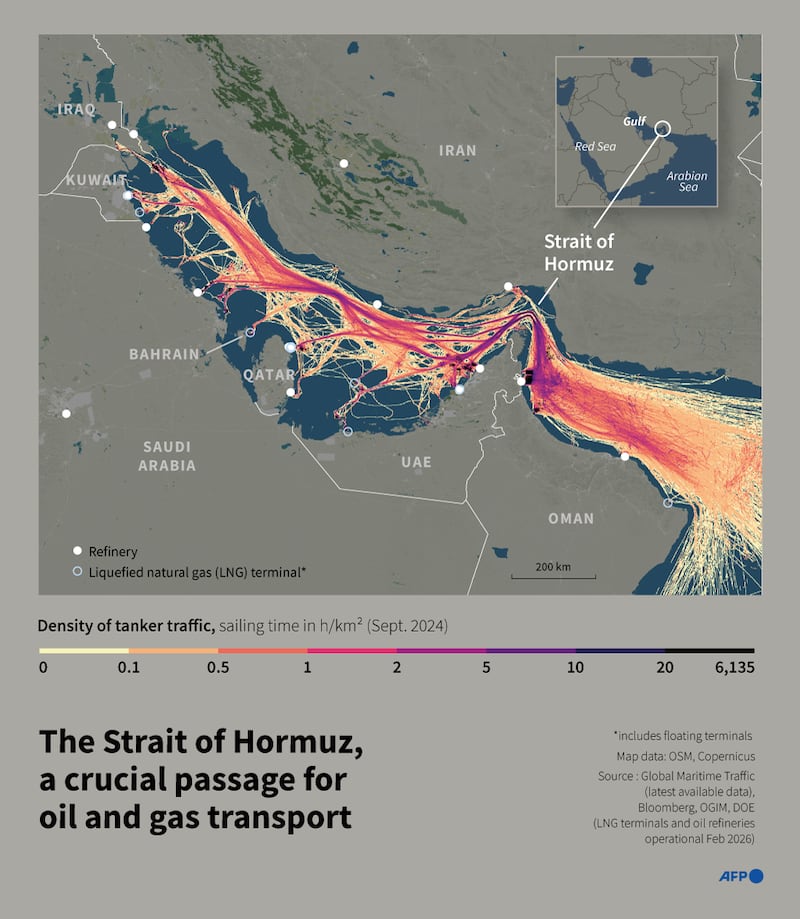
The renewed engagement comes amid disruptions to the Strait of Hormuz, a major shipping conduit through which one-fifth of global oil and gas flows.
The disruptions have heightened concerns over energy security in Asia, where many economies rely heavily on imports from the Middle East.
Out of gas
The Philippines is under pressure to secure new energy sources brought on by declining output from its Malampaya gas field, which supplies a significant share of the country’s electricity.
For Manila, the South China Sea has long been seen as a potential alternative source of energy.
The U.S. Energy Information Administration estimates the region holds about 11 billion barrels of oil and 190 trillion cubic feet of natural gas.
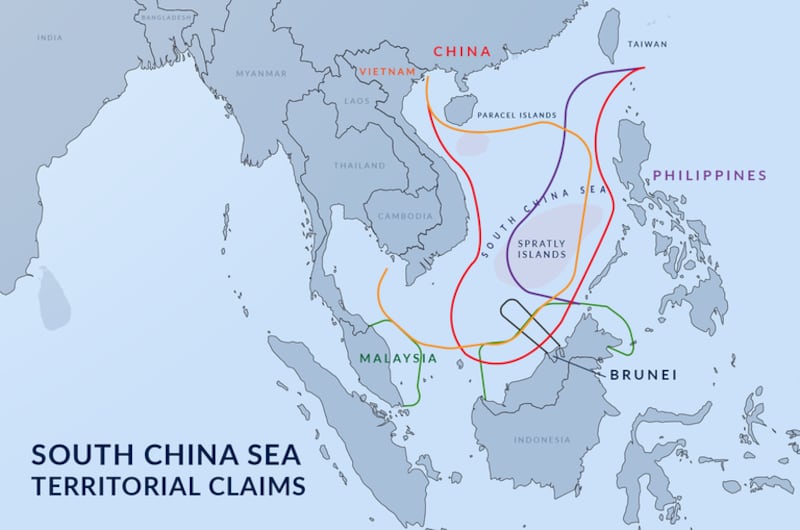
But Beijing claims almost the entire South China Sea and any energy supplies that lie within, including in the areas also claimed by Manila. Parts of the sea are also claimed by Vietnam, Malaysia, Brunei, Taiwan and Indonesia.
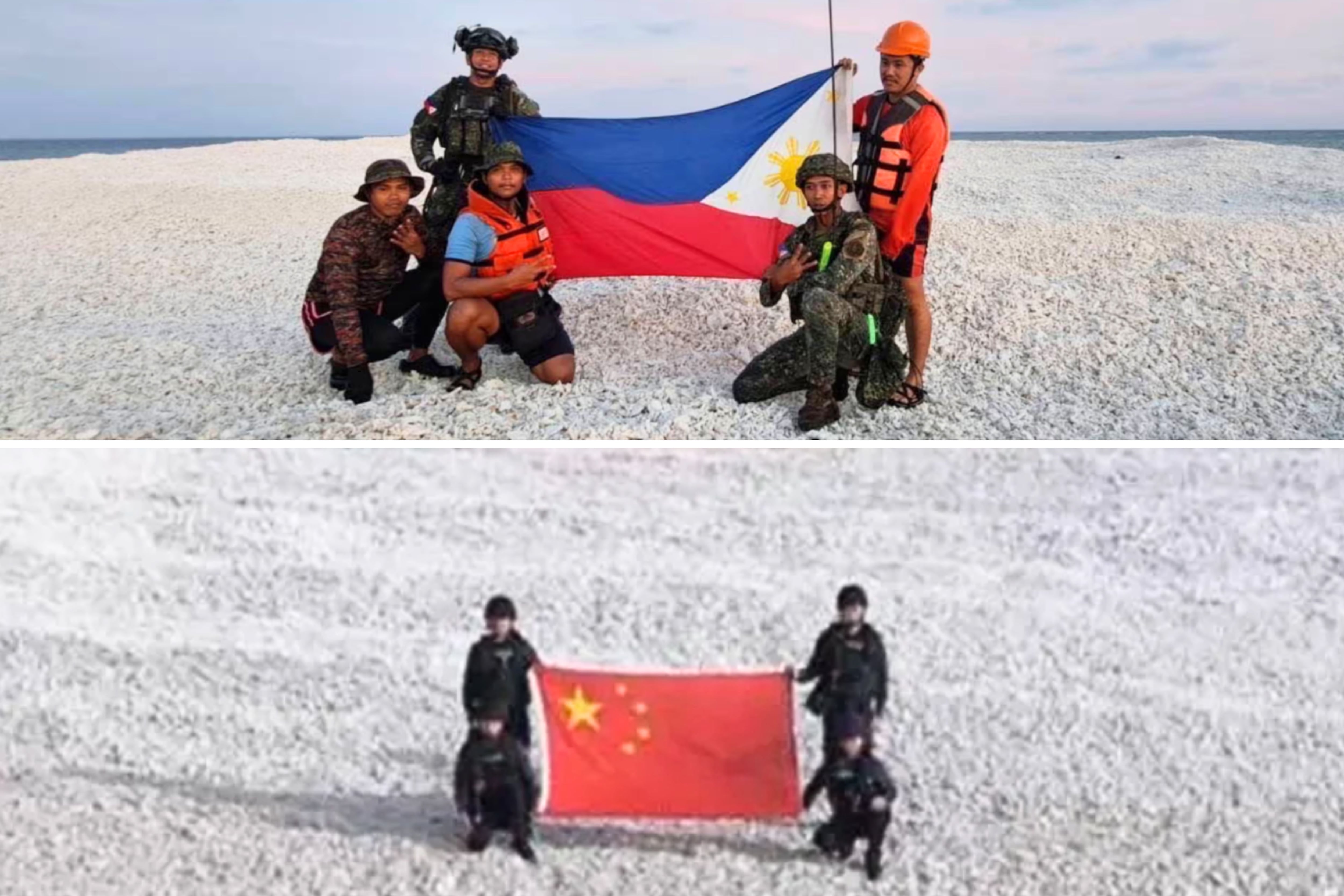
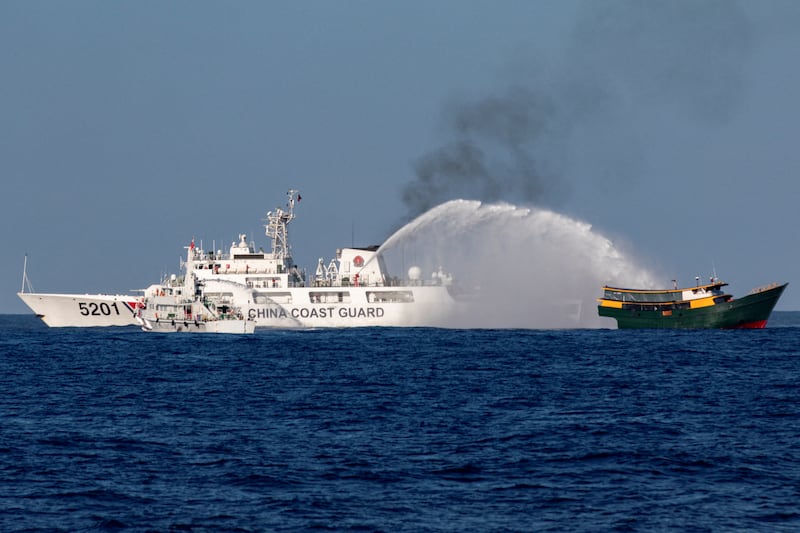
At times, the competing claims can lead to violent clashes, such as in June 2024, when Chinese Coast Guard ships, according to Philippine officials, rammed supply ships near the Second Thomas Shoal, a reef that had become a flashpoint in the area claimed by both countries.
One Philippine sailor lost a finger in the incident, and at least seven others were injured, the officials said.
The turmoil and instability in the region is a major reason why its energy resources remain untapped.
While analysts say the Iran war is likely to increase attention on those resources, it will not necessarily accelerate their development.
Delayed gratification
“Disruptions to Hormuz are already pushing attention toward the South China Sea, but as a strategic hedge rather than a practical substitute,” Sylwia M. Gorska, a PhD candidate in international relations at the University of Lancashire in the United Kingdom, told RFA.
She said because of the importance of the strait to global gas supply, disruption can create enough volatility to force governments to do what they can to reopen it rather than look for gas elsewhere.
“The key issue is not whether the strait is formally open, but whether energy can move through it reliably and at acceptable cost,” she said.
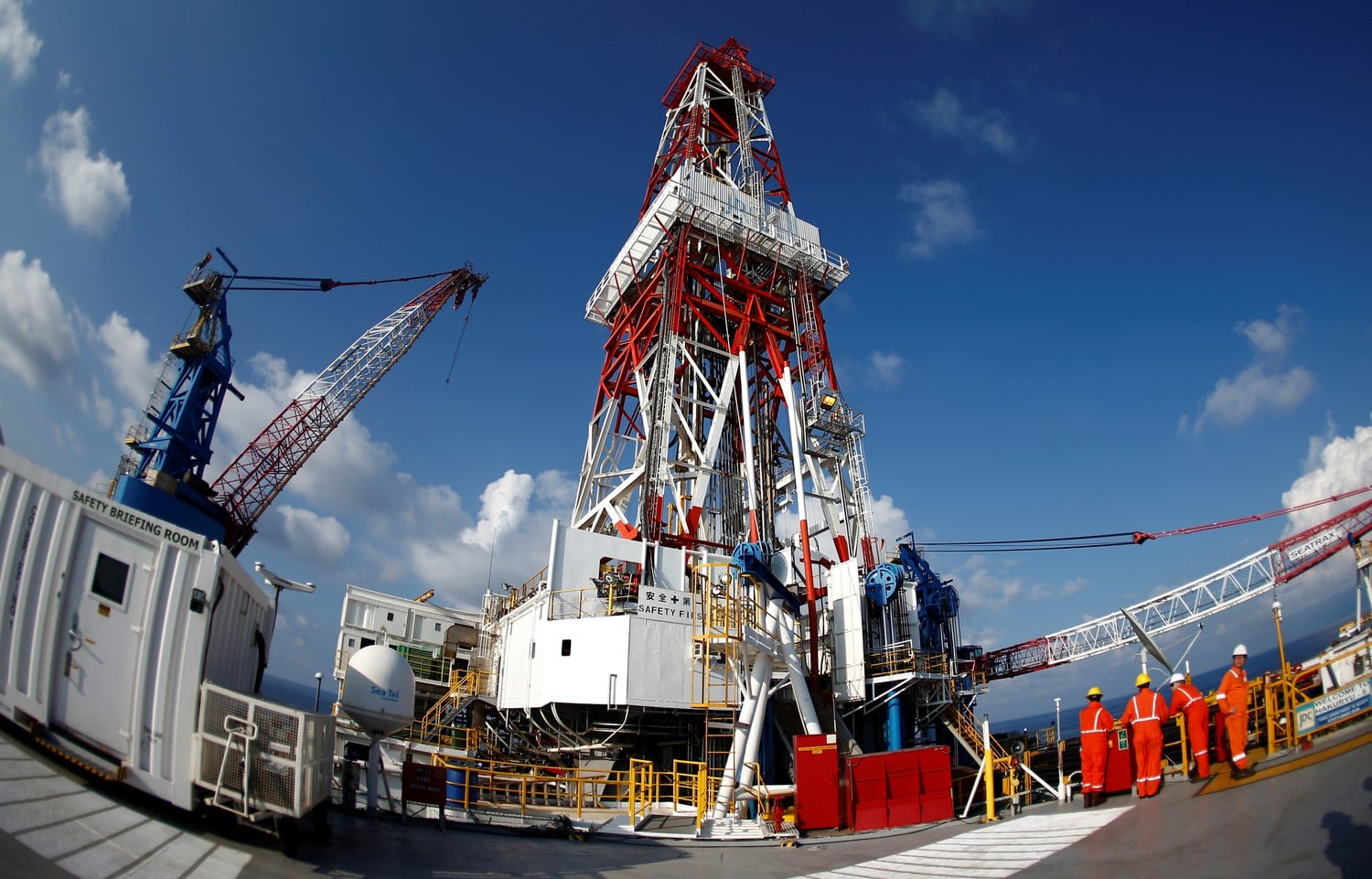
Gorska said that the loss of supply cannot simply be replaced by new sources of oil in the South China Sea, because development there would require years of stable operating conditions and large amounts of capital investment.
“The real constraint is not whether resources exist, but whether they can be turned into supply,” Gorska said, highlighting legal uncertainty, operational risks and the absence of stable investment conditions in the South China Sea region.
The significant oil reserves in the sea are unlikely to provide the short term relief needed to deal with the shocks to the system brought on by Hormuz, Taipei-based independent analyst and a former visiting scholar at the National Chengchi University, Aadil Brar, told RFA.
“Hormuz was moving 20 million barrels a day of oil,” he said. But in the South China Sea, “turning gas fields into actual supply? That’s 5–10 years of drilling, pipelines, and US$10 billion in investments.”
“It’s a hedge for the next crisis, not a fix for this one.”
Competition remains fierce
“While incentives to cooperate increase on paper, behavior remains competitive,” Gorska said, referring to previous attempts at cooperation between Manila and Beijing that faced significant obstacles.
A 2018 agreement between the Philippines and China on joint exploration did not result in any joint projects and was later terminated, while constitutional limits on foreign participation – reinforced by a 2023 Philippine Supreme Court ruling – remain a key constraint.
International law does, however, provide for joint development arrangements, Brar said, but he acknowledged that implementation remains difficult in practice.
“Trust is thin and power’s uneven,” he said, noting that previous cooperative efforts have not been smooth. “It’s been more shoving than pushing together.”
Edited by Eugene Whong.