PORT MORESBY, Papua New Guinea — After Cyclone Maila devastated parts of Papua New Guinea in April, disaster relief funds poured into the country, but many of the affected residents told Radio Free Asia that they have received little or no assistance from authorities.
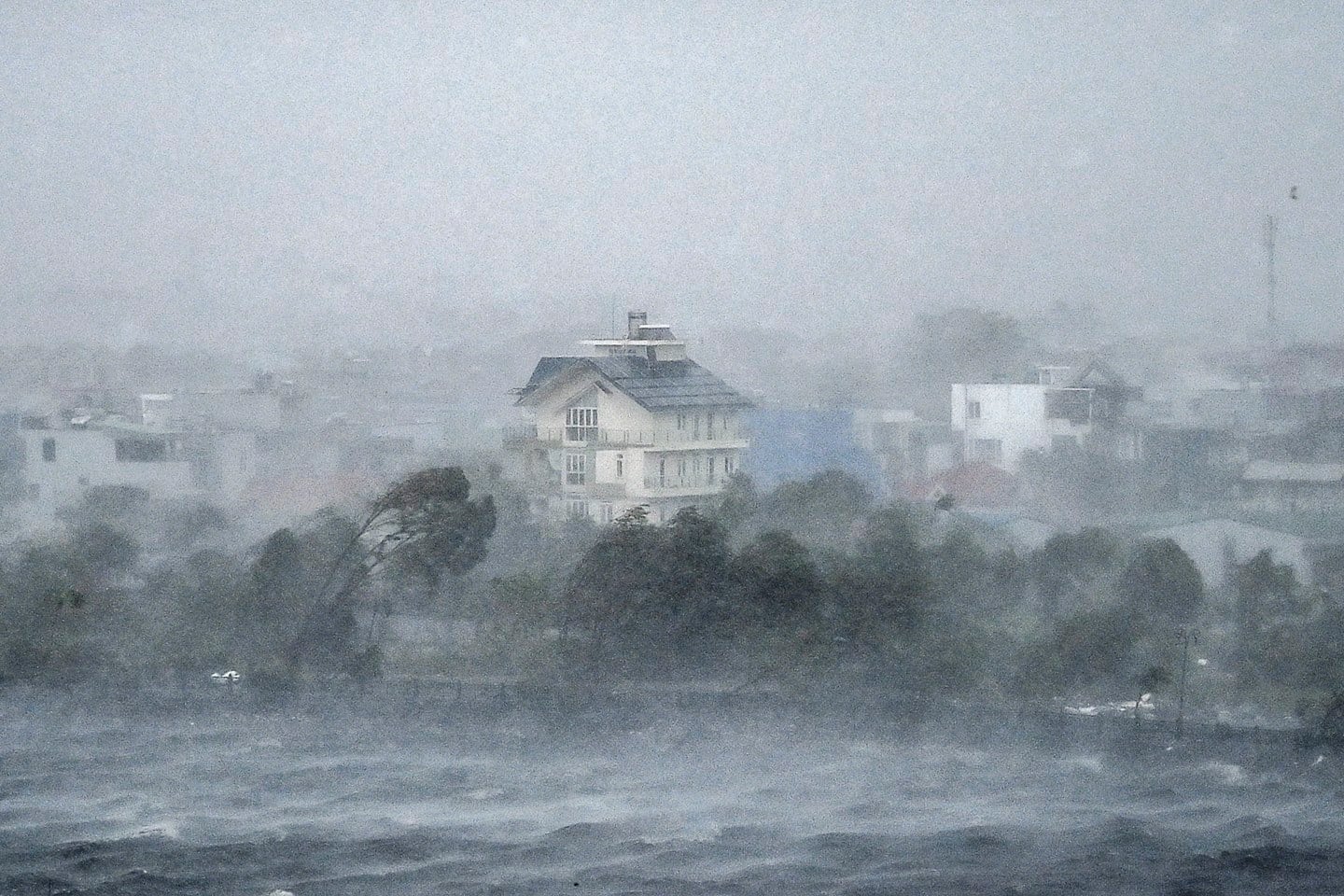
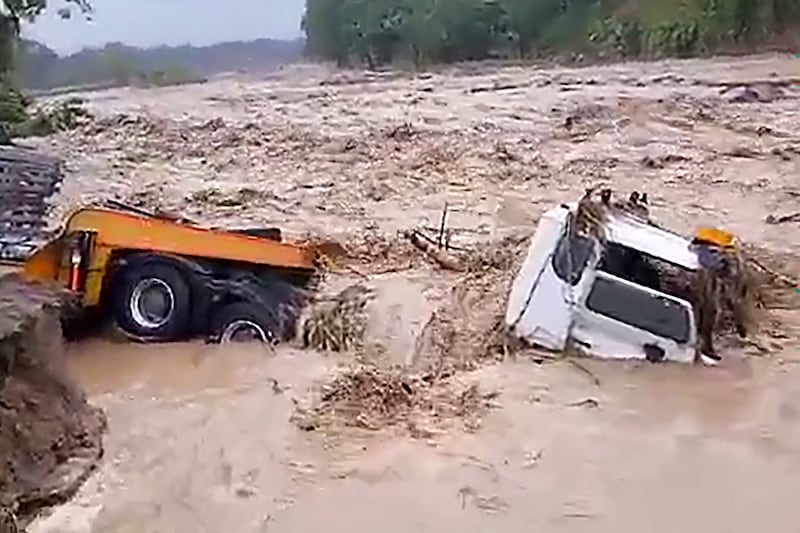
In early April, the cyclone appeared over the Solomon Sea, between PNG and the Solomon Islands. It rapidly increased in intensity and severely damaged roads and homes, and submerged crops. PNG authorities reported 25 fatalities due to landslides and flooding.
Though authorities have been trying to assist affected residents, they have not yet been able to reach everyone. Marina Kaisa Eroro, who lives with her family in Samarai Island off the southeastern tip of the New Guinean mainland, told RFA.
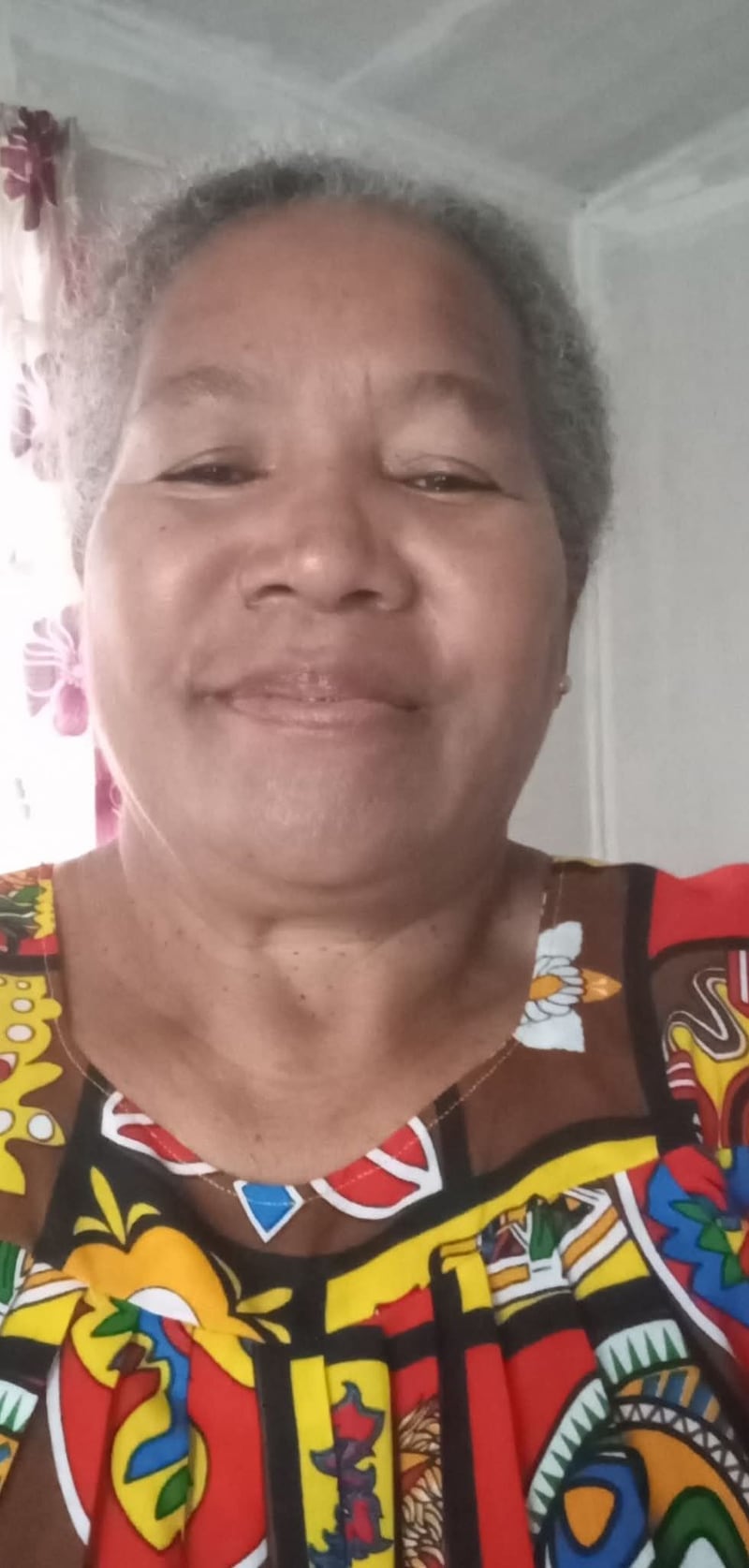
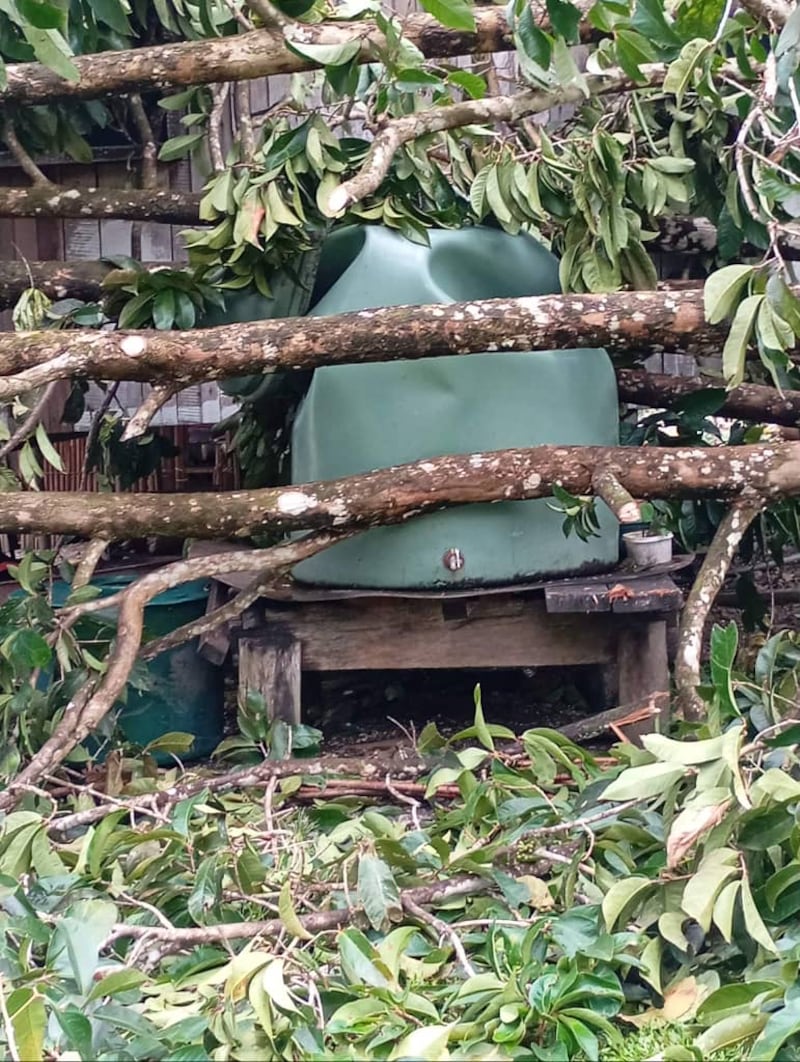
The cyclone blew down her breadfruit, betel nut, and fruit trees, she said.
“The trees fell on our water tank and damaged our source of drinking water,” said Eroro. “No assistance at all came from the authorities.”
Eroro said that councillors from the ward, the lowest division of the local government, had visited to determine the extent of damage.
The island is under the jurisdiction of the Bwanabwana Rural local-level government, or LLG, in the Samarai-Murua district of Milne Bay Province.
The province is headquartered on the mainland, though many of its administrative bodies are located on Samarai, which was the provincial capital until 1968.
“No national or provincial government official visited our area to assess the damage,” said Eroro.
Even in cases where residents do get assistance, it is minimal, Cora Diala, who lives in the village of Waraka in Weraura LLG, in the Rabraba district of Alotau, on the mainland part of Milne Bay province, told RFA.
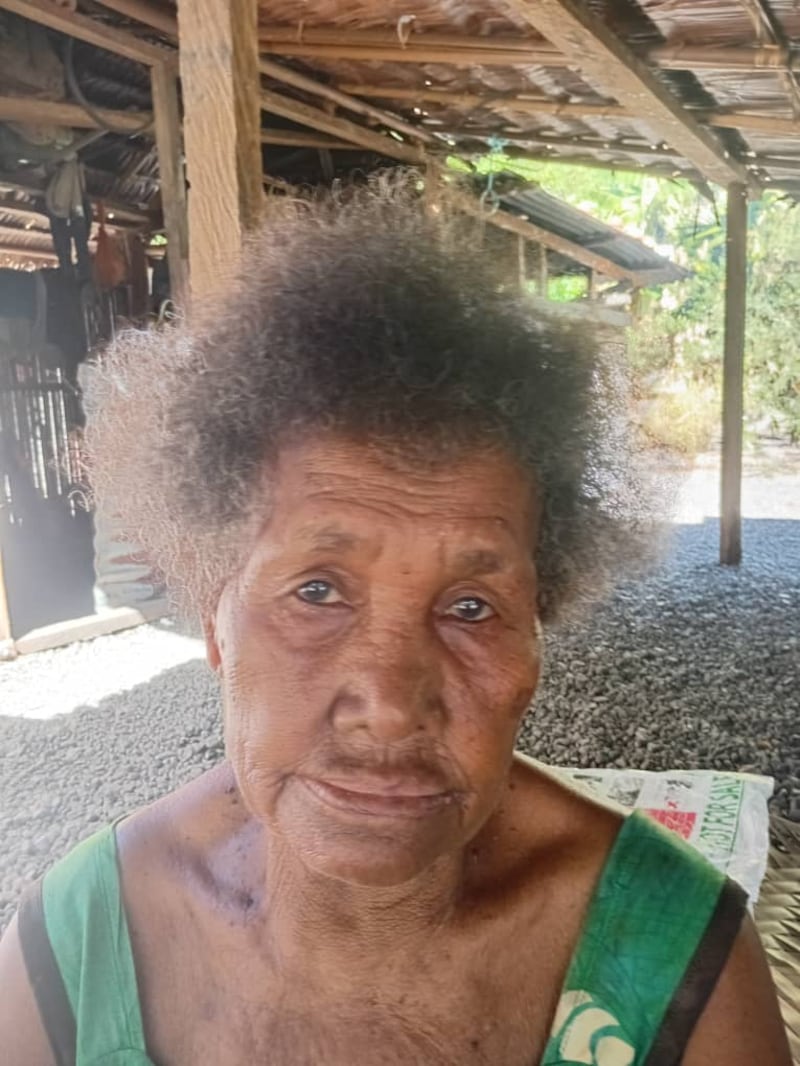
“Last month was the first time we saw relief supplies from the government,” she said, adding that the extent of the relief was a 1 kilogram packet of rice for most people. “Widows like me got two packets of rice. Nothing else.”
Relief aid
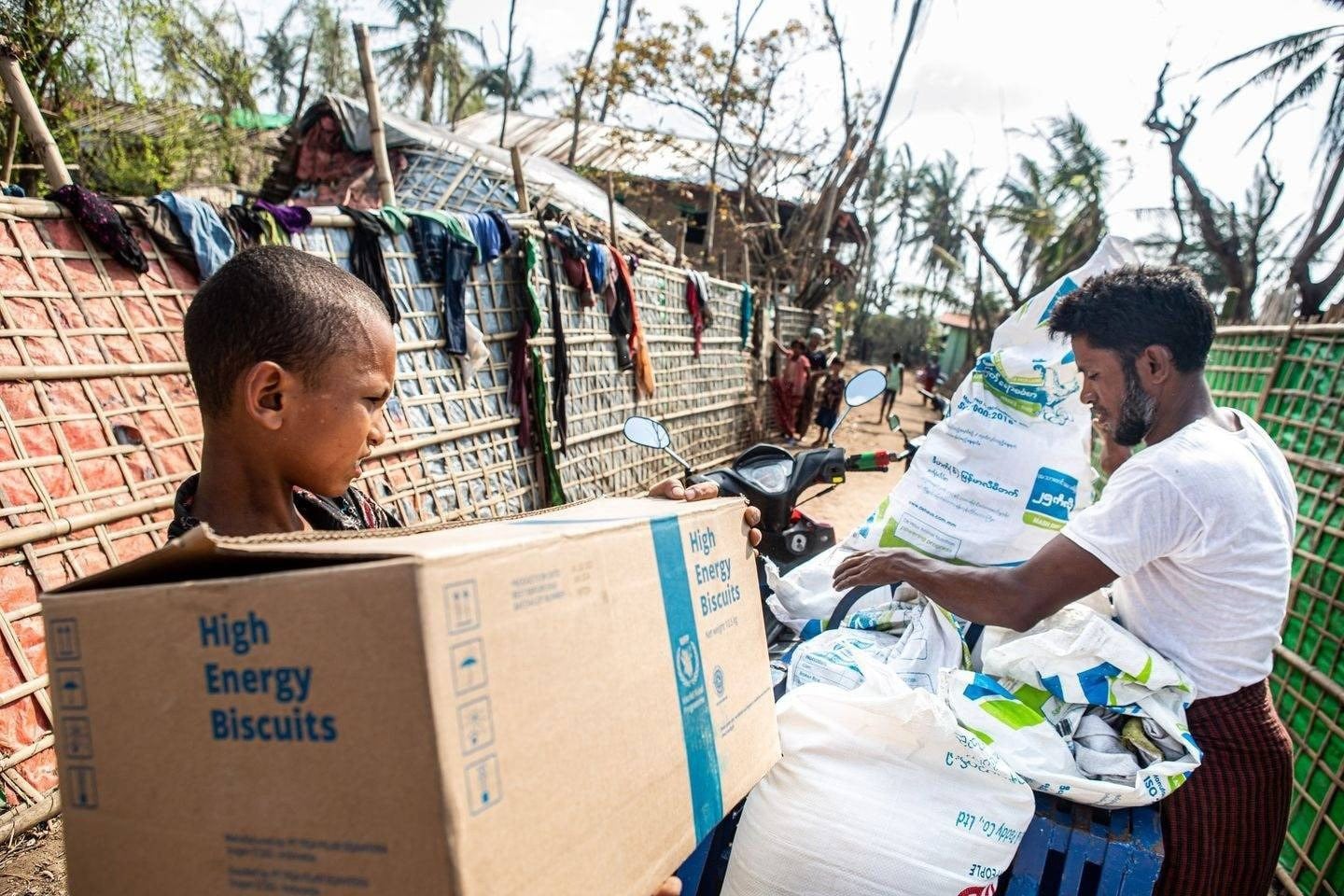
After the storm had dissipated, foreign governments began offering money to the PNG government as aid.
On May 14, the Chinese Embassy in Port Moresby handed over US$1 million to the PNG government in a public handover ceremony, during which Chargé d’affaires Pang Hanzhao, after giving the oversized check to several senior officials, including Prime Minister James Marape, expressed condolences to the affected people, saying “a friend in need is a friend indeed.”
Marape expressed his gratitude, saying the assistance came at a critical time, when the government was continuing to “support communities affected by Cyclone Maila, and is gratefully appreciated by the PNG Government and people.”
Other countries also provided assistance, including $1.72 million (2.5 million Australian dollars) from Australia to both PNG and the Solomon Islands.
The U.S., meanwhile, delivered relief supplies through existing disaster preparedness programs.
But the government has not distributed assistance to everyone affected.
It focused only on the areas and communities that needed assistance most, Randal Ganisi, the acting disaster coordinator in Milne Bay province, told RFA.
“Much of the relief supplies was given to Murua Island communities who were severely affected by the tropical cyclone Maila than those only partly affected,” said Ganisi. “However other districts of Milne Bay province were not supported with relief supplies due to the fact that they were not severely affected.”
Though he provided a list of LLGs that the supplies were delivered to, he was not able to provide an outline of how much cash and food supplies were sent to each territory.
RFA contacted the National Coordinator for an update on the distribution but received no response.
Edited by Eugene Whong.