
During U.S. President Donald Trump’s visit to China, pay special attention to China’s track record of manipulating information. The Chinese government has distorted the statements of foreign visitors and used them to serve its own rule over the people under its control.
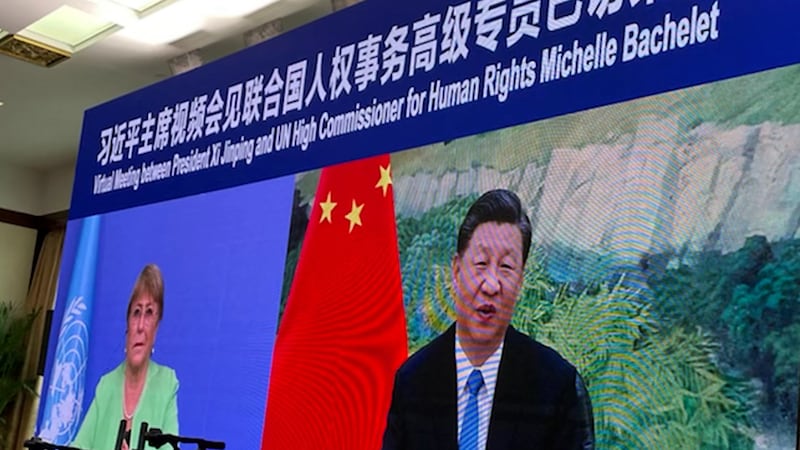
For example, during the 2022 visit of United Nations High Commissioner Michelle Bachelet to China, her statement “I admire China’s economic development” was expanded and promoted as “I admire China’s economic and human rights development.” China ignored corrections issued by the UN office, and the misleading report remained on the Chinese Foreign Ministry’s website for more than two years.
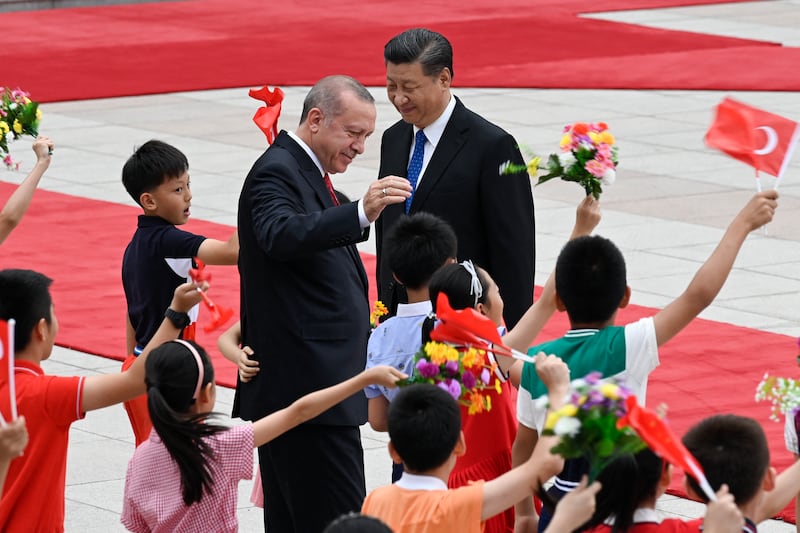
Another distortion occurred in 2019, when Turkish President Recep Tayyip Erdogan visited China and said, “I wish for the Uyghurs to live happily,” became “Uyghurs are living happily.” The Turkish government later recognized China’s distortion and issued a clarification.
These distortions happen often. For a government like China, which rules not only through force but also through strict control of information, this practice is routine.
Words such as “my friend,” “smart,” or “great”— could easily be taken out of context and mischaracterized by Chinese state media. Such words can be used to portray the United States as supporting or at least tolerating China’s policies.
On January 19, 2021, the United States was the first country to officially declare the situation of the Uyghurs as genocide. Following this, more than 20 governments and parliaments, as well as two other members of the U.N. Security Council have described the situation similarly.
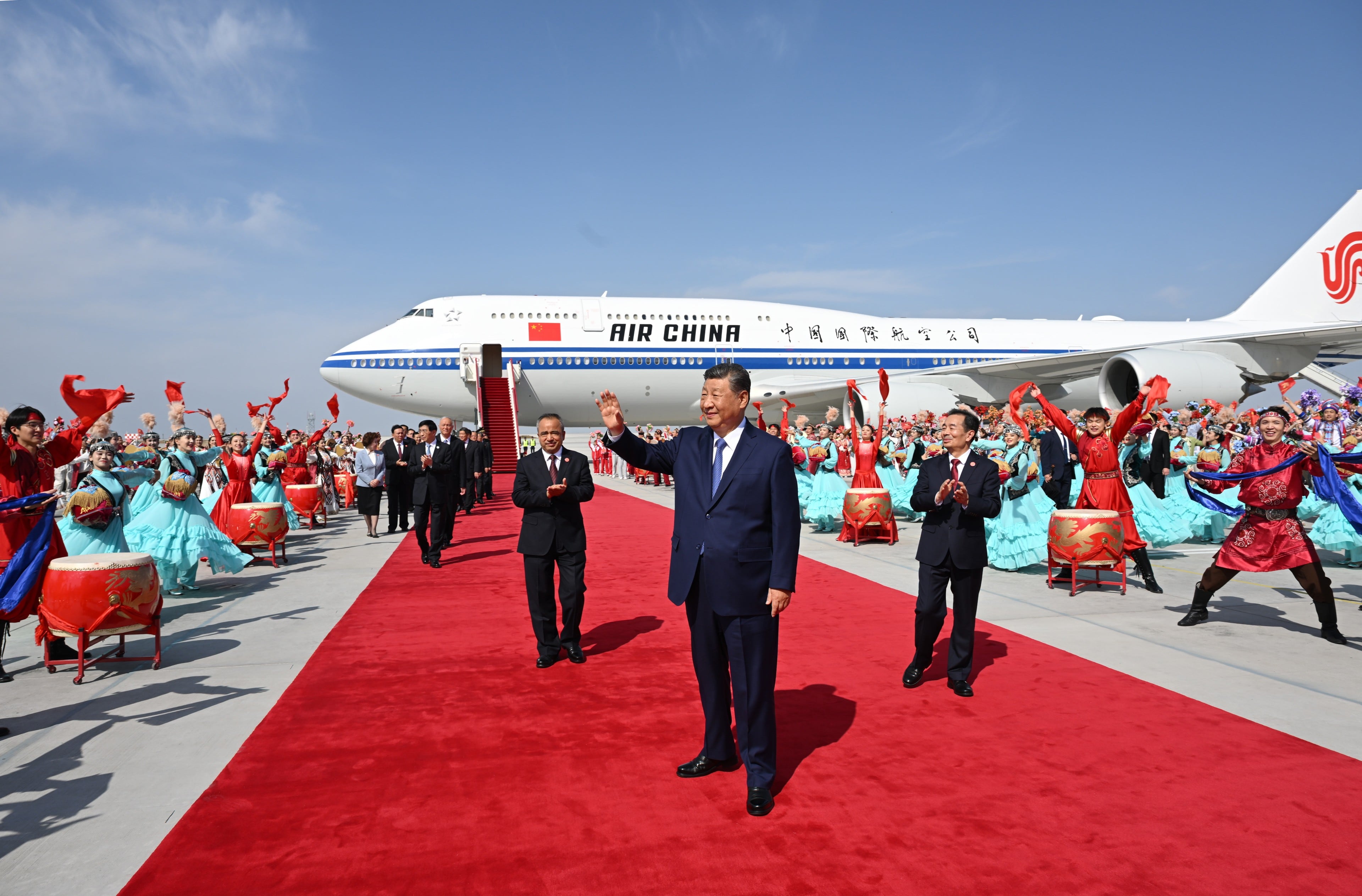
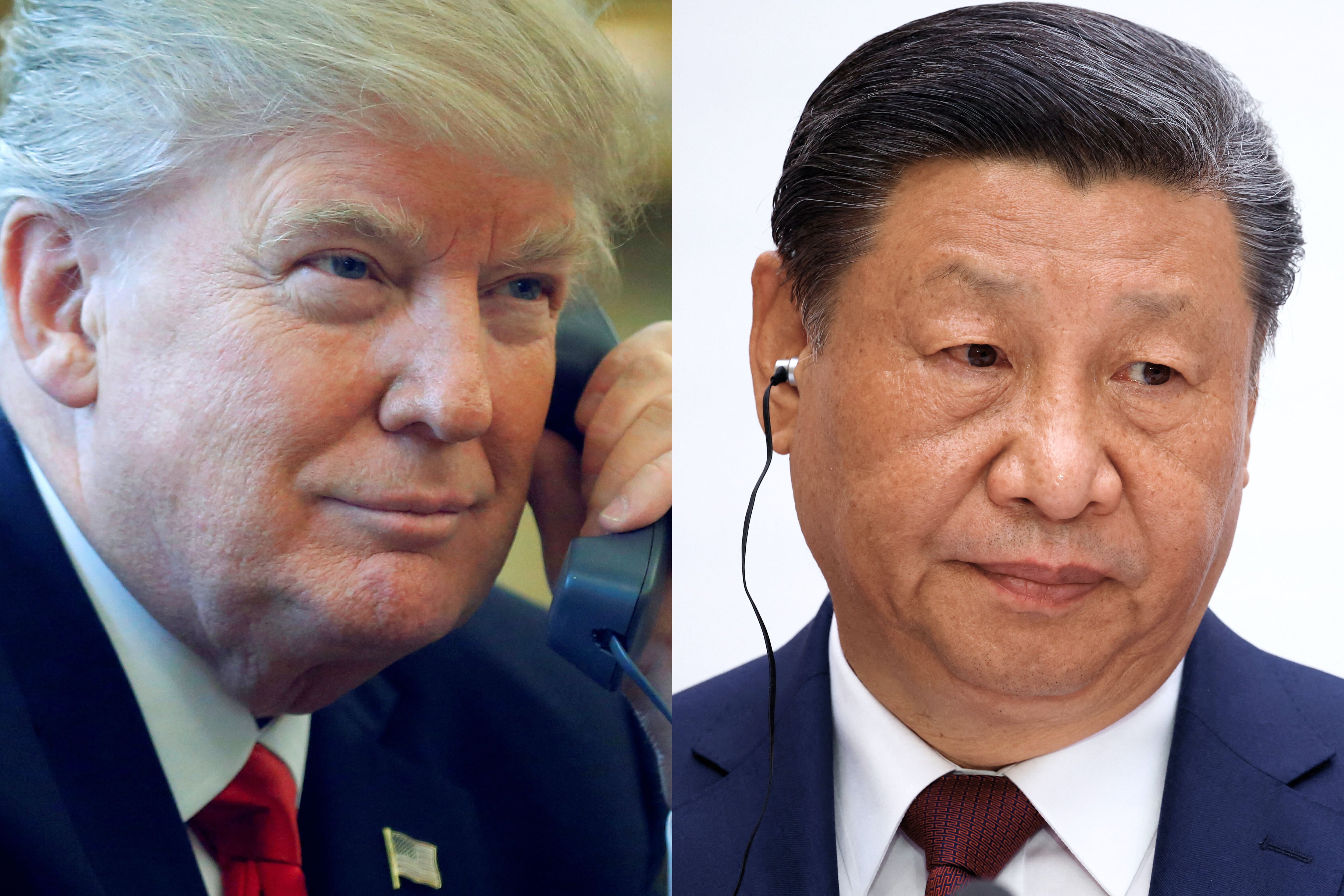
RFA learned that 15 days prior to this week’s planned visit by President Trump, a series of security measures were implemented in the Uyghur region. In addition to routine measures such as prohibiting the spread of information online and blocking calls from overseas, authorities also restricted petitioners from traveling to file complaints, especially those going to Beijing.
These restrictions make it clear that China wants nothing to get out of the Uyghur region so they can control the narrative while the U.S. delegation is there. It is therefore very likely that Beijing will be looking for opportunities to twist even the most innocuous statements made by the delegation to reinforce its claims about the Uyghur region.
Shohret Hoshur is a journalist with RFA Uyghur. He fled the Uyghur region in 1995 after his reporting about Beijing’s repressive policies against Uyghurs made him a target of the Chinese government. An 18-year veteran at Radio Free Asia, he won awards for his exclusive reporting from inside the Uyghur region, where Beijing denies human rights violations and closely guards the flow of information. Shortly after joining RFA, Chinese authorities began monitoring anyone known to have had contact with Hoshur, even arresting many of his family members.
Edited by Eugene Whong and Charlie Dharapak.