Updated on Nov. 19, 2026 at 11:21 a.m. ET
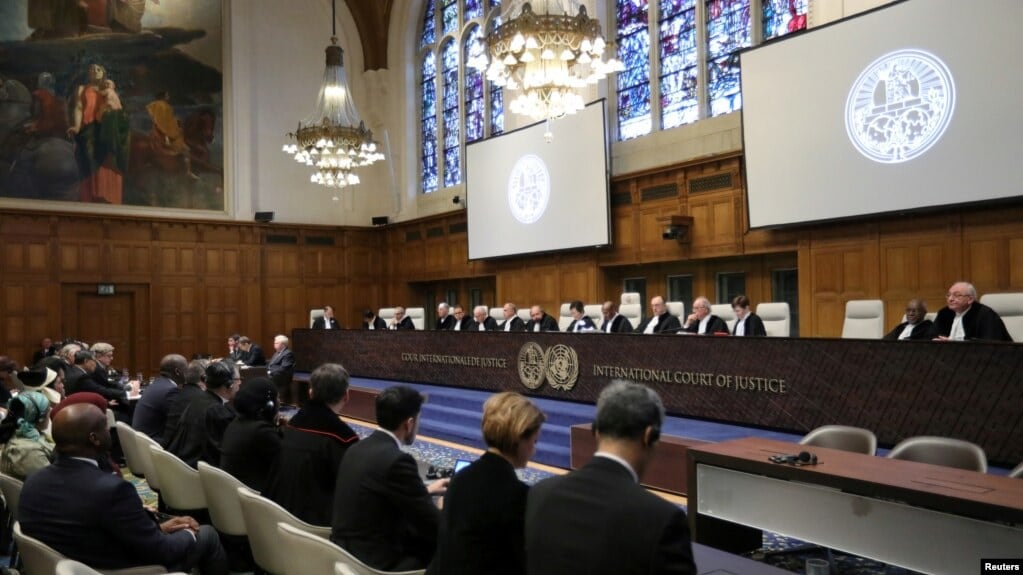
The International Court of Justice (ICJ) ruled on Thursday that Myanmar committed genocide against the Rohingya, in a landmark judgment that could increase diplomatic pressure on its military-led government.
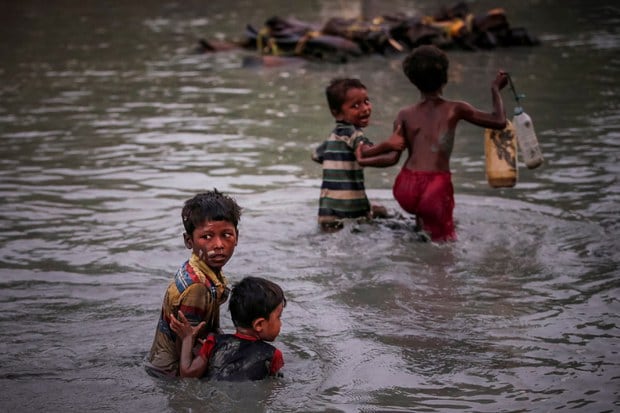
In a 9-6 decision, the United Nations’ top court found that Myanmar had violated the 1948 Genocide Convention during a military crackdown that drove more than 730,000 Rohingya to neighboring Bangladesh in 2017.
It was the first time the court had found a state responsible for committing genocide.
The judgment comes as Myanmar’s President Min Aung Hlaing, who commanded the military during the crackdown, seeks to restore his country’s international standing.
“This is a historic ruling. For the first time, the world court has found a state responsible for committing genocide – and the man who commanded those operations is now Myanmar’s president,” Richard Horsey, senior adviser for Asia at the Belgium-based International Crisis Group, said in a statement.
“The Rohingya have waited nine years to hear a court say this. It will not change their lives quickly, but it puts what was done to them on the legal record, and no amount of denial in Naypyidaw can remove it.”
ICJ President Yuji Iwasawa said evidence showed that Myanmar’s security forces had killed some 10,000 Rohingya during the crackdown.
“The Court finds that Myanmar’s security forces killed thousands of Rohingya civilians, perpetrated widespread acts of sexual violence as well as acts of extreme violence against children and attacked fleeing Rohingya as they sought to flee in large numbers to Bangladesh,” Iwasawa said.
The court concluded that the only reasonable inference from the evidence was that Myanmar’s security forces intended to destroy a substantial part of the Rohingya population.
It also found that Myanmar had failed to fulfill its obligation to prevent genocide.
The case was brought in 2019 by The Gambia, which accused Myanmar of violating the Genocide Convention and sought to hold the Southeast Asian nation accountable for atrocities against the predominantly Muslim ethnic minority.
Myanmar has maintained that its military operations were in response to attacks on police posts by the Arakan Rohingya Salvation Army, a Rohingya armed group.
Diplomatic pressure
While the judgment establishes Myanmar’s legal responsibility for genocide, questions remain over its practical consequences and whether other governments will reconsider their engagement with Naypyitaw.
“Governments rolling out the red carpet for Min Aung Hlaing will now be doing so for the head of a state found responsible for genocide. Most will carry on regardless, but it will be harder to present this as business as usual,” Horsey said.
“The court has no means of enforcing this ruling. What matters now is whether the governments engaging Naypyitaw are prepared to attach any cost to ignoring it.”
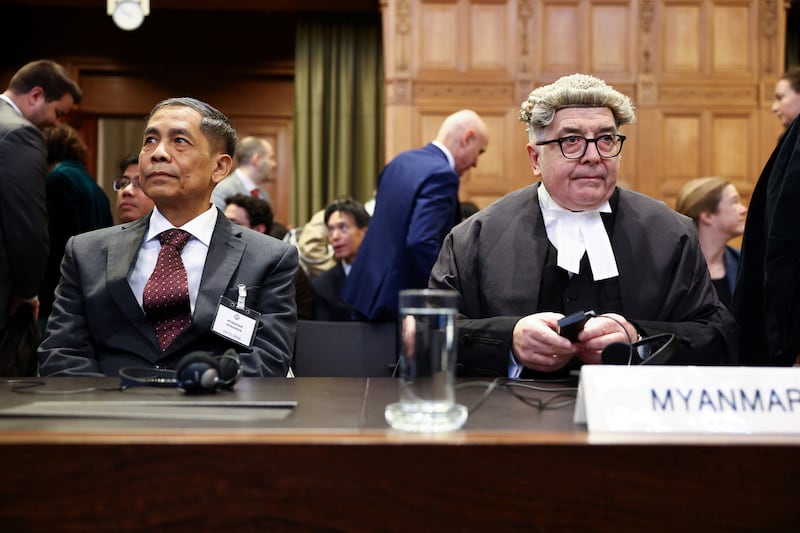
Horsey added that the ruling was likely to make Myanmar’s government more defensive in its dealings with the United Nations as it sought to regain its seat at the world body.
Human rights advocates called on governments to use the judgment to press Myanmar to end abuses against the Rohingya.
“The International Court of Justice’s landmark ruling is long-awaited recognition of the suffering the Rohingya have endured from Myanmar’s military. The ruling also provides a significant precedent for victims of genocide, and other grave crimes, across the world in their own quest for justice,” Maria Elena Vignoli, senior international justice counsel at New York-based Human Rights Watch, said in a statement.
In response to the ruling, the United Kingdom will order the expulsion of the Myanmar defense attaché and call on the U.N. Security Council to address it, the UK’s foreign secretary, Ed Miliband, said in a statement.
“The Rohingya have endured years of appalling violence, displacement and persecution.” Miliband said. “Myanmar must comply fully with the judgement. The international community must now play its part in supporting implementation, accountability, and justice for the Rohingya.”
Uncertain future for refugees
The ruling comes amid a humanitarian crisis compounded by renewed fighting in Myanmar’s western Rakhine state, where the military has lost control of large areas to the Arakan Army, an ethnic Rakhine armed group.
“Most of the land the Rohingya fled is now held by the Arakan Army, an ethnic Rakhine armed group fighting Naypyitaw. For Rohingya still in Myanmar’s Rakhine State, how the Arakan Army treats them will matter more than anything Naypyitaw says,” Horsey said.
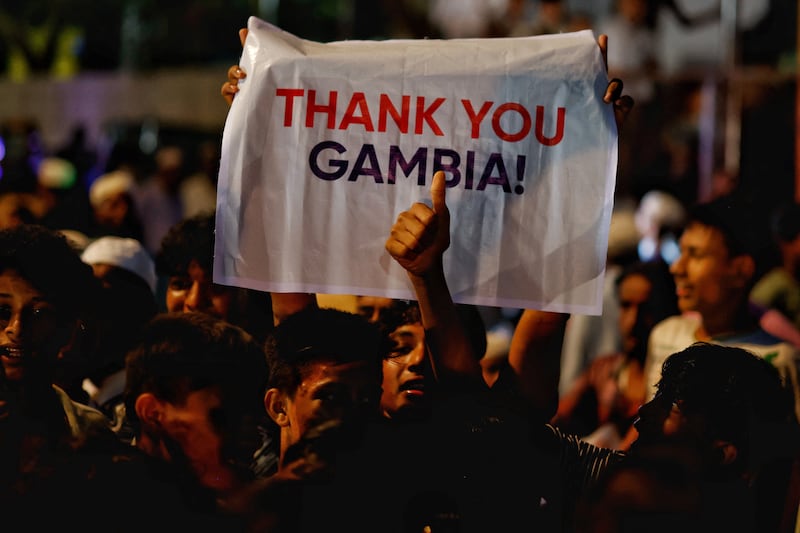
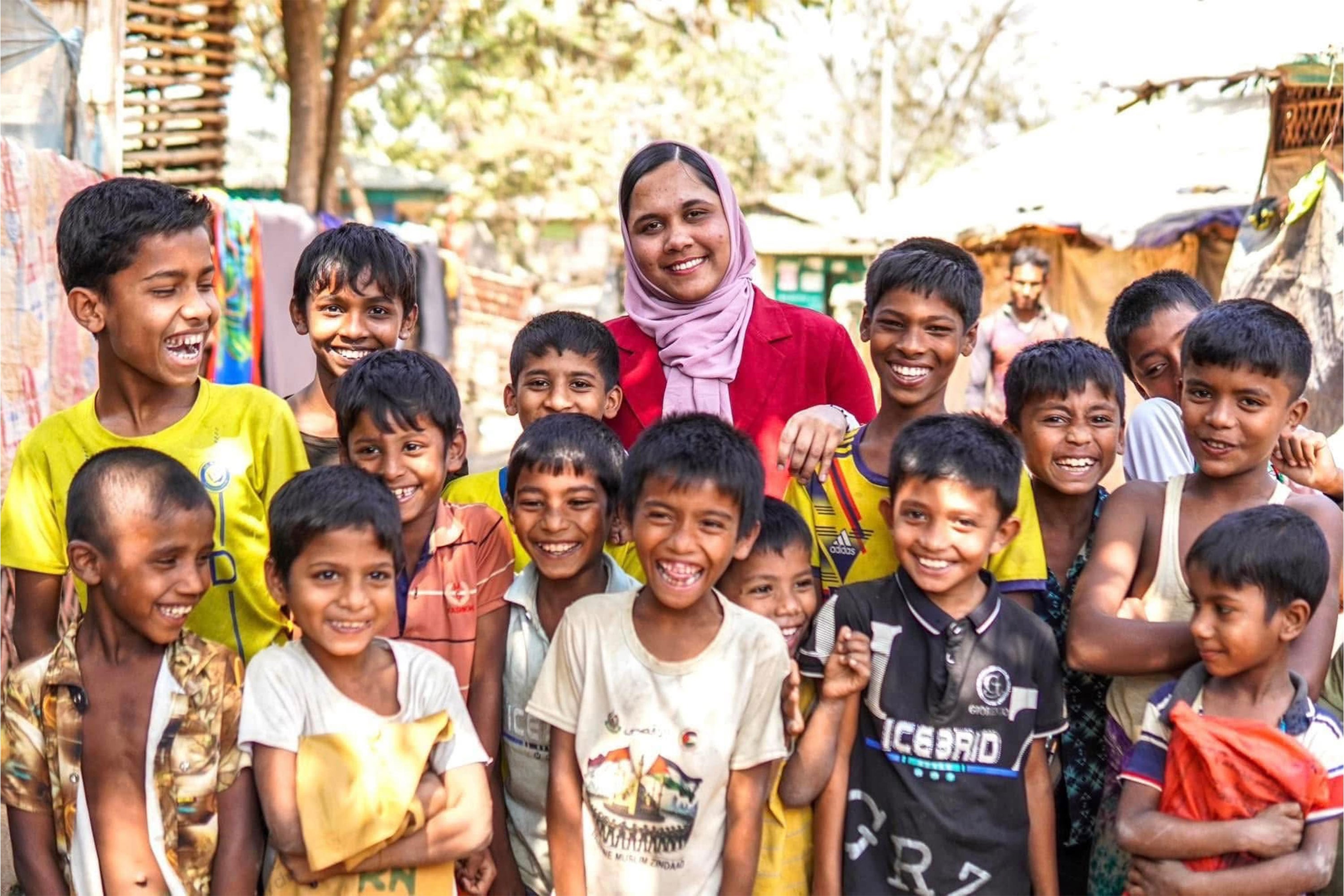
Nearly 1.2 million Rohingya remain in refugee camps in Bangladesh, where international aid funding cuts have led to reductions in food rations.
“Hopefully this ruling will be a reminder of their plight to donors, who need to step up,” Horsey said.
Vignoli urged the international community to ensure that the ruling translated into tangible improvements for the persecuted minority.
“Myanmar should swiftly comply with the court’s judgment and end its oppression of the Rohingya. Concerned governments should strongly support the Rohingya and promote justice for atrocities, press Myanmar’s junta to comply with the judgment, and ensure the safe and voluntary return of Rohingya refugees to Myanmar.”
Edited by Eugene Whong.
Update adds Miliband’s statement.